
01
Assessment and mapping
A grounded picture of what exists, what depends on it and where the genuine risk sits. Frequently the first accurate map the business has had in years.
BehaviourDependenciesRisk
Engineering · Modernisation
Legacy modernisation fails when it is scoped as a replacement programme. We modernise around the parts that still earn their keep and retire the rest in releases your operation can actually absorb, keeping the revenue-bearing paths live throughout.

The business problem
The system is slow, expensive to change and understood by fewer people every year. It is also processing real transactions today, which is why the replacement project has been proposed three times and started once.
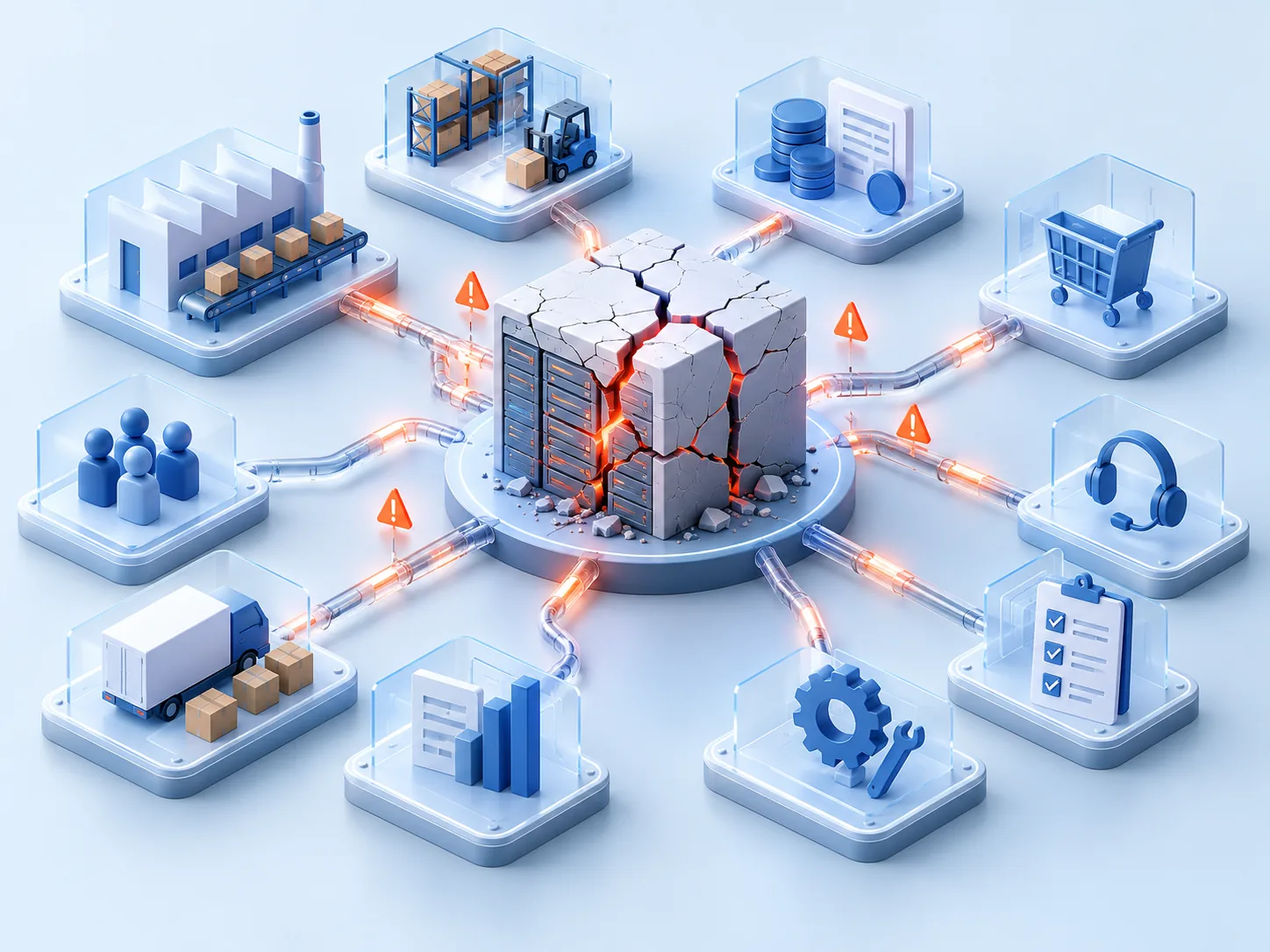
Every change takes weeks because the effects cannot be predicted or tested.
The people who understand it are retiring, leaving, or down to one.
A big-bang replacement is the only plan on the table, and it is unfundable.
Integration work keeps being deferred because the platform cannot support it.
Compliance and security obligations are getting harder to satisfy on the current stack.
Nobody has an accurate map of what the system actually does, only of what it was supposed to do.
Our approach
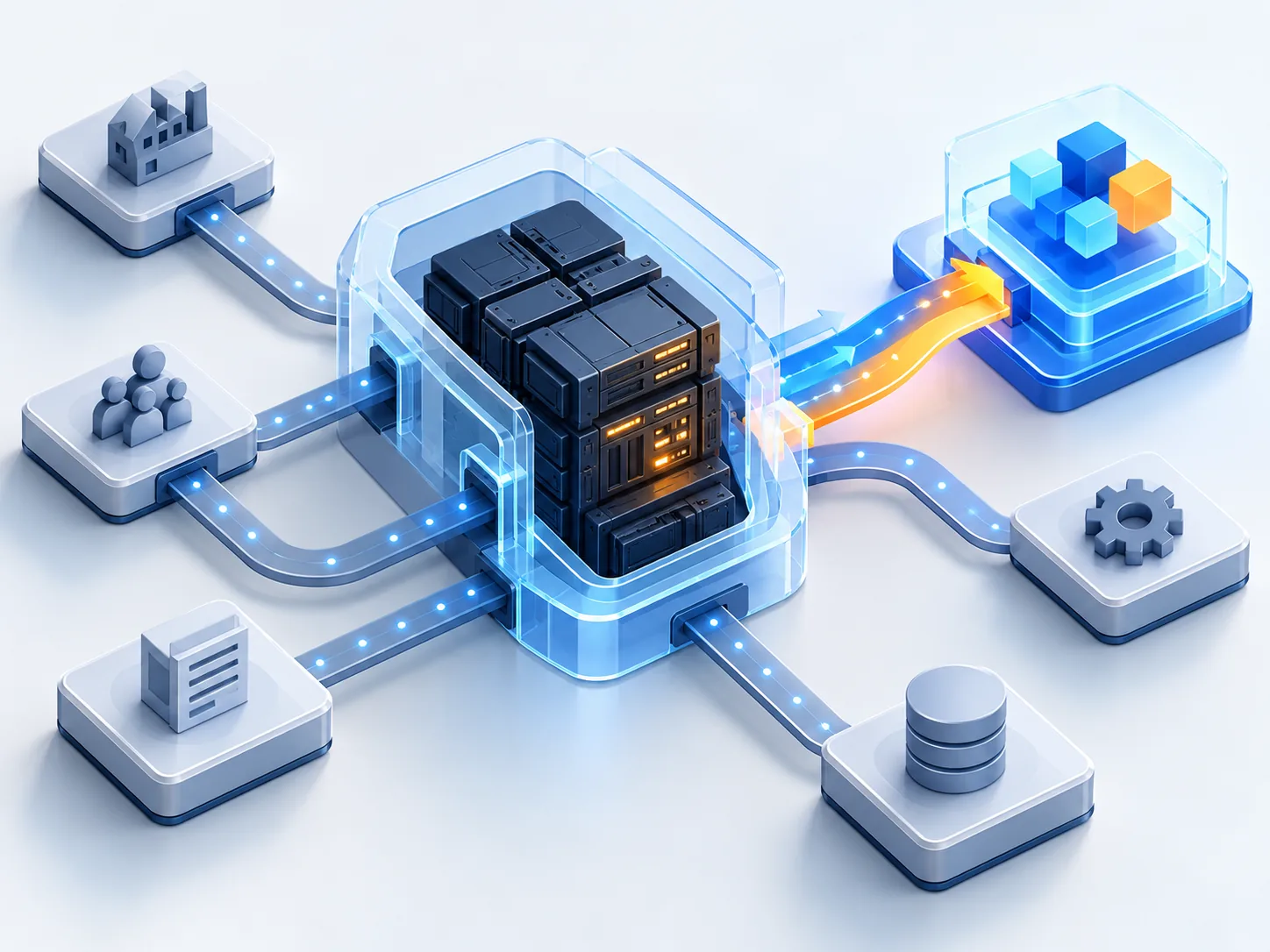
We put a boundary around the existing system and move capability out from behind it one piece at a time. New functionality is built outside; existing functionality is migrated when there is a reason to touch it. The old system shrinks rather than being switched off in one weekend.
This is slower on paper and far more likely to finish. Each release is independently valuable, the operation is never asked to absorb a single enormous cutover, and the programme can be paused between stages without leaving you stranded halfway.
AI has a genuine and unglamorous role here: understanding what the existing system actually does. Reading undocumented code, reconstructing behaviour from logs, and mapping data lineage are tasks where it materially accelerates the archaeology. It is a comprehension tool in this work, not the replacement system.
Capabilities
The right first move depends on where the pain and the risk concentrate — which is often not the same place.
01
A grounded picture of what exists, what depends on it and where the genuine risk sits. Frequently the first accurate map the business has had in years.
02
Put a clean interface in front of the legacy system so new work can begin immediately without inheriting its constraints.
03
Move one capability at a time, run both in parallel where the risk warrants it, and cut over when the evidence supports it rather than when the plan says so.
04
The environments, pipelines and monitoring that make frequent, safe change possible — usually the thing that made the old system feel legacy in the first place.
Delivery model
Scope and sequence are agreed before engineering begins, and every stage is reviewable.
01
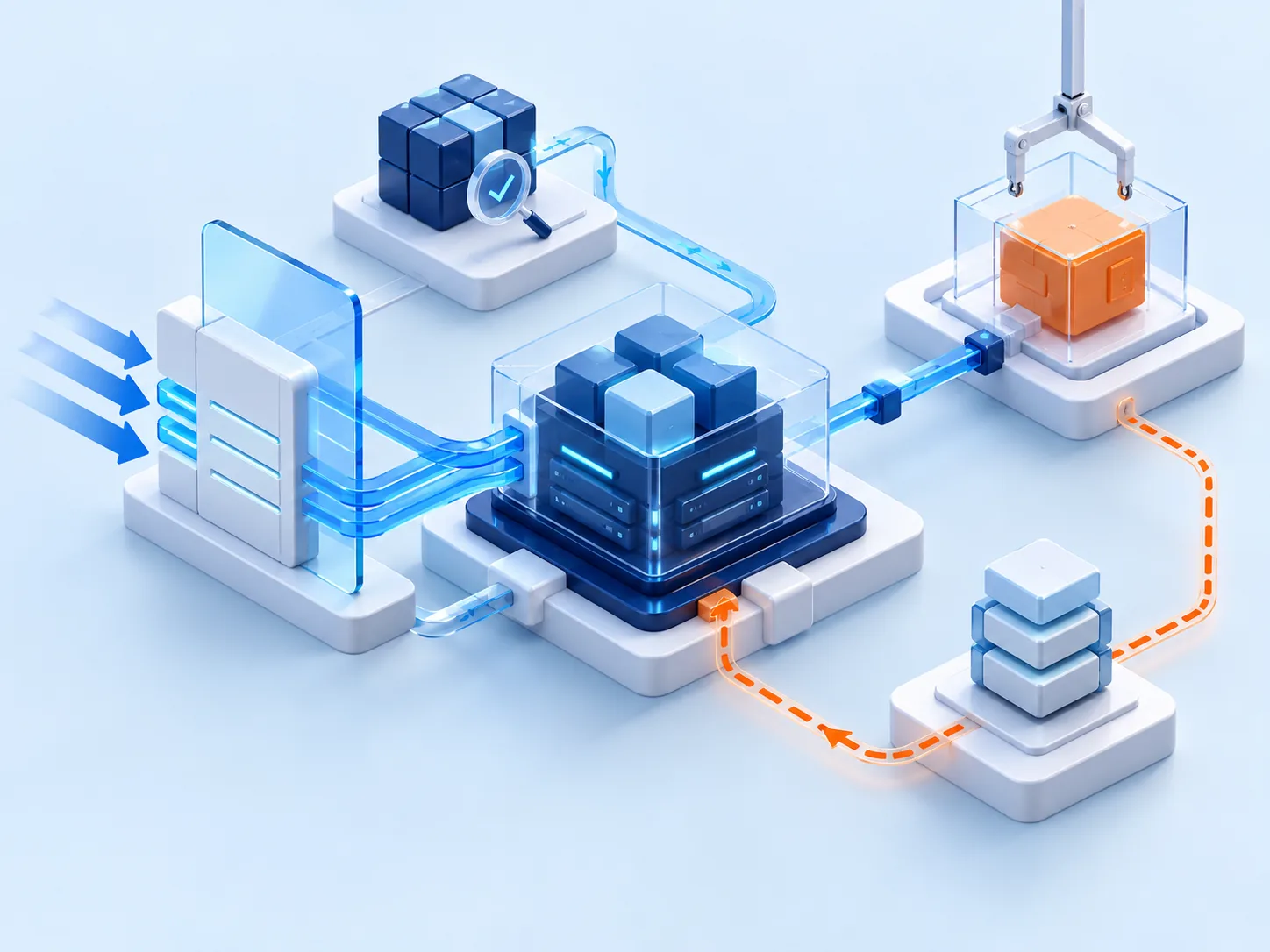
Establish what the system actually does and what depends on it. Plans built on the documented behaviour rather than the real behaviour are where these programmes come apart.
02
The first extraction should prove the approach and reduce a real risk. It should not be the biggest or the most visible thing.
03
Establish the boundary and the interface that lets new capability live outside the legacy system from that point onward.
04
Move the capability, run it against the old behaviour where the risk justifies it, and switch when the evidence says so.
05
Retire what has been replaced. A modernisation that leaves both systems running has added cost rather than removed it.
How we work together
Start with a conversation. Commit to scoped work only when a deeper review or a build is genuinely the right next step — and only once the scope is written down.
Start here — free call
01
Free30 minutes
One workflow, discussed with a solutions architect. What it costs you today, what is technically in the way, and whether anything further is warranted.
02
USD 5,0004 weeks
A scoped review when the picture is genuinely unclear — several systems, an unproven integration, or a decision nobody can size yet.
03
From USD 25,000Scoped per engagement
An agreed priority turned into working software, connected systems or a governed AI workflow, delivered in stages you can release and review.
Larger platform programmes start at USD 75,000. All figures are in USD and are starting points rather than quotes — scope, integration surface and the number of systems involved move the number. Commercial terms are always confirmed in writing before work begins.
Before we talk
Longer than anyone wants, which is precisely why the incremental approach matters. What we can commit to is that each release delivers something on its own, so you are never carrying twelve months of cost before seeing value. A programme that only pays out at the end is one you cannot safely pause, and that is a risk rather than a plan.
Occasionally that is genuinely right — a small, well-understood system with a clear specification. Much more often a rewrite means reproducing years of undocumented behaviour from memory, and the failure mode is discovering the missing behaviour in production. We will tell you which situation you are in.
Comprehension, mostly. Reading undocumented code, reconstructing behaviour from logs and mapping data lineage are genuinely faster with it. What it does not do is decide your architecture or generate a replacement system you can trust without review. Treating it as an accelerator for the archaeology is realistic; treating it as the migration is not.
It is the normal starting condition, and it is the reason the assessment phase exists. Behaviour can be reconstructed from the code, the data, the logs and the people who use it daily. That last source is usually the most valuable and the most overlooked.
Keep exploring
Start with a conversation
Bring us the process that is slowing you down, the system that will not connect, or the platform that needs to evolve. We will tell you what we would do about it — and whether you need us at all.
Free · 30 minutes with a solutions architect · No obligation to commission an audit · sales@appnox.ai